|
|
Feb 10, 2026
This article analyses the Ninth Circuit’s July 31 2025 decision in Epic v Google and the Ninth Circuit’s willingness to bless forward-looking remedies in the regulation of Big Tech.
“A living hell crimes against humanity in North Korean detention centers and the quest for accountability” - a 12-minute documentary on crimes against humanity in Democratic People’s Republic of Korea to be screened on the quarter hour.
IBA War Crimes Committee Conference 2023: Pursuing justice in a world on fire
Dec 11, 2020
In early October, tech giant Google announced it had set aside over $1bn to pay media outlets to display curated content on its news apps, initially as part of a three-year programme. Google will pay publishers it chooses on a market-by-market basis to provide blurbs for the company’s Google News Showcase app (‘Showcase’) and to give readers free access to certain paywalled articles.
Sep 18, 2024
On 18 September 2024 in Mexico City, on the occasion of the Annual Conference of the International Bar Association (IBA), the IBA Human Rights Law Committee, in partnership with the IBA War Crimes Committee, the Mexico Bar Association (Ilustre y Nacional Colegio de Abogados de México) and the IBA Foundation, hosted a screening of War and Justice, a documentary about the International Criminal Court (ICC).
Mar 12, 2026
This article outlines five peculiarities of Hungary’s widely discussed FDI screening regimes as experienced in Hungarian M&A practice.
This article aims to provide readers an overview of, and update on, the foreign direct investment screening mechanisms introduced by the Indian government in April 2020 vis-à-vis foreign direct investments from India’s bordering nations, as a reaction to the ongoing geopolitical tensions between India and China at the Indo-China border.
Foreign direct investment screening in Central Europe – what can investors expect?
The outbreak of the Covid-19 pandemic has accelerated the global trend towards increased national protectionism and stricter screening of foreign direct investments. As part of this general approach taken by European countries, on 17 March 2020 Spain enacted a Royal Decree-law that, among other things, introduced a new screening mechanism for certain investments made by non-EU and non-EFTA residents, for public order, public health and public security reasons.
The panel will explore how dominance rules and other competition regulations are being used to address the abuse of superior bargaining positions and scrutinise positions of relative dominance.
17th Annual IBA Competition Mid-Year Conference
The article describes and assesses the abuse of dominance investigations carried out by the Brazilian competition authorities in the digital sector. With nine cases already decided and six ongoing probes as of July 2019, there is a clear concern about false positives and avoidance of severe intervention, and no precise guidance on how companies should behave. The research also reveals interesting findings such as the importance of third parties, areas of concern and the inexistence of convictions.
This came in conjunction with a call for evidence to seek feedback on the proposed introduction by the Commission of guidelines on exclusionary abuses of dominance. The Commission is seeking to adopt their new guidelines by the end of 2025.
28th Annual Competition Conference
Oct 07, 2021
search and advertising – ‘Big Tech’ – the Covid-19 pandemic has brought a significant increase in profits and power. This in turn has consequences for society and the regulation of Big Tech.
Abuse of dominance remains a pressing issue in digital markets where a few large players often hold significant market power. This session will examine recent cases of alleged abuse, discuss the evolving standards for dominance in digital markets, and explore regulatory approaches to address such issues.
34th Annual IBA Communications and Competition Law Conference
A mega-merger between two of the world’s largest agrochemical companies has been given the go ahead by the European Commission and the United States Department of Justice, prompting fresh warnings over lack of competition in global agricultural markets and the impact on food production.
Excessively high prices may be challenged as exploitative abuse of dominance or as ‘price gouging’. For example, Article 102 TFEU prohibits any abuse of a dominant position, including ‘directly or indirectly imposing unfair purchase or selling prices or other unfair trading conditions’.
19th Annual IBA Competition Mid-Year Conference
Europe’s current energy crisis is set to worsen as winter approaches, according to most analyses. Energy shortages combined with severe price hikes for gas and electricity threaten industrial slowdowns and factory shutdowns. Recession in Europe’s top economies –Germany, in particular – appears likely.
This session will take a bird’s eye view of how foreign direct investment screening is impacting on equity funding and M&A transactions in the European startup and growth capital markets. Has FDI screening gone too far and slowed the flow of capital, slowing down investment, and even scuppering transactions?
6th Annual IBA European Start-up Conference
The session will focus on recent developments in the South African, Nigerian and Kenya regimes and will also discuss recent approaches to price gouging.
Competition Law in Africa Conference: regulatory developments and enforcement trends across the continent
Feb 04, 2021
At the end of a complicated trial that had seen several ‘firsts’, on 4 February 2021, Trial Chamber IX of the International Criminal Court (ICC) handed down a guilty verdict for Dominic Ongwen, former child soldier and commander of the Lord’s Resistance Army (LRA) in Uganda. In a 1077-page judgment, Mr Ongwen was convicted on 61...
The panel will explore the continuing intensity of antitrust enforcement in both digital and traditional industries outside the scope of the Digital Markets Act, with a particular focus on recent and emerging cases under Article 102 TFEU. Speakers will examine key themes shaping current practice, including the European Commission’s evolving approach to exclusionary and exploitative conduct, the anticipated impact of the Commission’s forthcoming guidelines on exclusionary abuses and the implications of major judicial developments, such as the General Court’s Android judgment for enforcement priorities and standards of proof. Against this backdrop, the discussion will assess how authorities are adapting established abuse frameworks to complex digital ecosystems, differentiated business models and evolving theories of harm, and what these trends mean for companies operating across multiple jurisdictions.
20th Annual IBA Competition Mid-Year Conference
Nov 06, 2025
November’s COP30 climate talks are expected to place further pressure on countries to increase their ambition following the International Court of Justice’s (ICJ) advisory opinion in July.
Marilu Capparelli is one of the managing directors of the EMEA Google Legal Department, she leads an international team of lawyers located in different countries and is also leading a copyright litigation strategy area in EU. Marilu is an Italian qualified lawyer with experience in major international law firms, at the Court of Justice of the European Union and as an in-house counsel. Before joining Google, she was Head of Legal and Government Affairs at eBay Inc, Skype and Paypal.
Annual IBA Employment and Diversity Law Conference 2024
Mar 31, 2022
The Foreign Direct Investment Act, passed by the Czech Parliament in January 2021 and effective from 1 May 2021, has been introduced in response to Regulation (EU) 2019/452, which establishes a framework of screening of foreign direct investments throughout the European Union. This article sets forth a brief introduction to the main elements of screening applicable to foreign investors arising from the FDI Act.
Mar 23, 2021
In early February, the International Criminal Court (ICC or the ‘Court’) convicted former child soldier and Lord’s Resistance Army (LRA) commander Dominic Ongwen of 61 counts of war crimes and crimes against humanity committed in northern Uganda between July 2002 and December 2005.
Also, it will address how sports events´ owners and producers are dealing with “active” fans who want to choose what, when and how to watch and how much the new players - Facebook, Amazon, Netflix, Google, Tik Tok, Kwai and other digital media – are willing to pay for sports content and how will their payback be.
IBA Annual Conference Miami 2022
Mar 12, 2026
Romania’s FDI screening regime has evolved from a narrow national security safeguard into a central strategic consideration in transaction planning, due to its broad scope, low thresholds and assertive enforcement. With applicability extending to EU and domestic investors, and significant sanctions for non-compliance, FDI analysis has become a critical component of deal structuring and risk management.
Second, many jurisdictions have moved to force digital platforms like Google and Facebook to compensate news organisations for the use of their content.
IBA Annual Conference Miami 2022
Jan 09, 2025
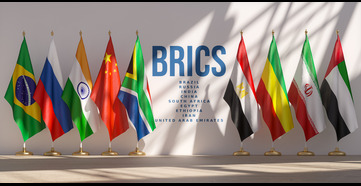
BRICS met for its 16th summit in Kazan, Russia, in October
This fireside chat with the head of the US investment screening authority will discuss the role and processes of the Committee on Foreign Investment in the United States (CFIUS) as well as the Outbound Investment Security Program, including practical considerations for counsel advising clients on making filings in the United States.
Asia Pacific Mergers & Acquisitions Conference
Mar 20, 2026
Romania’s foreign direct investment (FDI) screening regime has been further refined through Emergency Government Ordinance No 17/2026, introducing measures aimed at enhancing legal clarity, strengthening national security safeguards and aligning the national framework with the EU cooperation mechanism established under Regulation (EU) 2019/452. The amendments expand the scope of review to include asset acquisitions in sensitive sectors, increase the notification threshold and introduce procedural simplifications such as shorter review timelines and full digitalisation of the filing process. By clarifying the interaction between FDI screening and merger control, and introducing targeted exemptions for certain intra-group restructurings, the revised framework seeks to reduce administrative burden while improving predictability for investors and authorities alike.
- Trends in real estate around the globe
- RETT mechanics and share deal planning in Austria/Germany
- Anti-abuse screening for real estate vehicles (including real estate provisions in bilateral treaties)
- PE and delegation risk
- Sector spotlight: datacenters
Reporter
Adnand Sulejmani Ashurst, Luxembourg City
15th Annual London Finance and Capital Markets Tax Conference
Mar 13, 2026
In December 2025, the Swiss Parliament adopted the Federal Act on the Screening of Foreign Investments (ISA), introducing a targeted approval requirement for certain acquisitions by foreign state-controlled investors in sensitive sectors. While deliberately narrow in scope, the ISA adds a distinct regulatory consideration for cross-border M&A transactions involving Swiss targets.
And how do companies navigate not only the myriad of national merger control rules, but also other regulatory instruments such as foreign direct investment (FDI) screening? This session will discuss these regulatory challenges and how companies should be addressing them.
19th Annual IBA Competition Mid-Year Conference
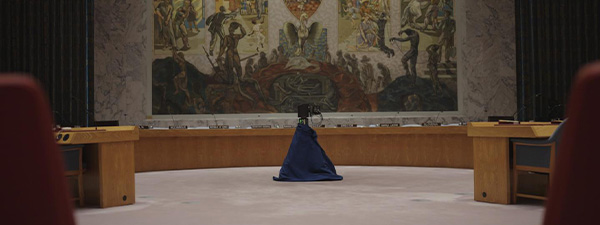
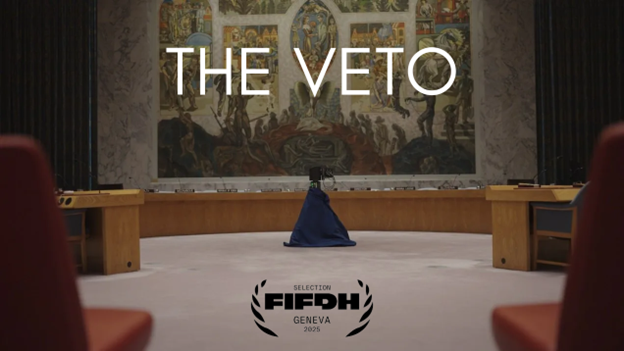
On the occasion of the 2025 International Bar Association (IBA) Annual Conference, taking place 2-7 November in Toronto, Canada, the IBA Human Rights Law Committee will host a screening of The Veto, a documentary produced by Tim Slade about the use of veto power within the UN Security Council.
The panel will weigh up this wish list against their own practical experiences to determine whether expanded enforcement powers, an enhanced use of interim measures, the possibility of remote dawn raids, a broader exterritorial reach of requests for information and more sophisticated screening tools will indeed lead to swifter and more efficient procedures.
20th Annual IBA Competition Mid-Year Conference

Dec 09, 2022
This article provides a historical perspective on some of the main European Union abuse of dominance cases in the hi-tech sector from this century. It then seeks to draw lessons from those cases about where the law in the EU stands on abuse of dominance on a number of key issues, as well as what unanswered questions remain for the future, both as regards case enforcement itself and the interplay between that and regulation. The next section sets the scene by outlining the policy context and some of the key issues at stake, both in terms of antitrust’s analytical framework, and its role and very purpose. Then, the article provides an overview of a number of the main EU abuse of dominance cases in the hi-tech sector from this century, and in light of those, a description of where we stand and where more clarification may come in the future. The article concludes by placing the debate in the broader policy context of the role and effectiveness of antitrust and its interplay with regulation.
This panel will explore namely the EU's AI Act, but also other global responses, as for example the guidelines from the US Screen Actors Guild, examining how various sectors are addressing these emerging challenges.
IBA Annual Conference Toronto 2025

Jan 19, 2024
The world is experiencing the effects of increased globalisation at a transcendental speed. One of the key factors behind such globalisation is foreign direct investment (FDI). FDIs often outperform government aids and portfolio investments, as one of the largest sources of non-debt external financing. In addition to the direct benefit of capital inflows that FDIs bring, certain indirect benefits follow suit. Access to diversified international markets, an increase in domestic supply chains, reforms in domestic laws and regulation to keep pace with modernisation are key indirect benefits, which have made FDIs an attractive option for domestic markets. However, while modern governments are well informed about the lucrativeness of FDIs coming from resource-rich destinations, many countries have begun to implement rigid screening mechanisms before permitting FDI inflows. The rise of opportunistic takeovers and foreign investments made with undesirable motives has propelled an increase in FDI screening mechanisms across countries. The first part of this article aims to understand the general rise of protectionism in the formulation of FDI policies and the impact of the Covid-19 pandemic on the same. The second part involves an analysis of Indian FDI regimes with a protectionist character. Finally, in the third part, the authors compare the Indian FDI regime with other FDI regimes around the world, to identify protectionism in FDI laws.
• Should law firms be screening potential new clients based on their environmental, social and governance (ESG) performance?
2nd IBA Global Professional Ethics Symposium
Like in many jurisdictions, the digital economy has become one of the most prominent enforcement priorities of the Canadian Competition Bureau. However, to date, the Bureau has advocated for a more measured approach to the application of competition law to the digital economy than some of its counterparts in other countries. In particular, the Bureau and its officials have consistently maintained that the current Canadian antitrust framework is sufficiently robust to address the unique issues presented by
Ethical issues in managing a dispute virtually – screen fatigue, bandwidth issues, breach of confidentiality, cyber and data breach.
The 2nd IBA Litigation and ADR Symposium - the changing landscape of litigation and arbitration in India
The approach currently adopted by competition authorities around the world against so-called big tech hides two main risks, namely the delay in respect of innovation processes that may cause the actions undertaken turn out to be vain and the antitrust over-enforcement. This second feature, particularly, is strictly related to the position that enforcers are prone to adopt on competition law goals, which debate has massively re-emerged in the present context
We will see some of these advertisements on screen with translations for our benefit. In addition, many bars, often under pressure from members, have run public relations campaigns in the past.
16th Annual Bar Leaders' Conference
President Xi’s China is now a major player at the United Nations, supporting peacekeeping operations and emphasising global cooperation to protect human rights. But there are fears that China’s more active role could erode multilateral intervention and even lead to the demise of international human rights laws.
The article explains the differences in the Chinese antitrust regulator’s approach to regulating antitrust concerns in the digital market from the approach adopted by regulators in other jurisdictions, including the European Union
How do they view the developments in the market, technological advances the shifts in market domination?
4th European Automotive and Mobility Services Conference
Arbitration is often dominated by practitioners from North America and Europe, despite numerous examples of creation of arbitration centres around the world.
Internationalisation seminar: helping lawyers access international legal markets or expand their practice to foreign jurisdictions
Sep 22, 2020
IBA Global Insight, Oct/Nov 2020: The Covid-19 pandemic has forced competition regulators to find new ways of working and thinking as they react to numerous challenges. Global Insight assesses how they’ve coped so far and how the competition landscape is shifting.
Table nine
Should law firms care about screening the ESG credentials of clients/prospective clients?
2nd IBA Global Professional Ethics Symposium
By Arie C Eernisse. Innovating arbitration through technology - Arbitration Committee newsletter article, March 2020

Jun 22, 2021
In 2021, the United Kingdom’s CMA (Competition and Markets Authority) – like other competition agencies worldwide – faces a future where competition law enforcement and policy are very different from what we have been used to for decades. Quite apart from its new post-Brexit functions (taking on cross-border merger and cartel cases that would previously have been reserved to the European Commission), the CMA is having to deal with a panoply of new challenges. First, the Covid-19 pandemic, which has touched every aspect of people’s lives, has inevitably had an impact – changing external priorities, and changing the way the authorities deal with them. Second, there are the effects of digitalisation of the economy which, unlike the worst of the pandemic, are likely to be long-lasting: immense benefits for competition and consumers, but also major new issues in competition enforcement, which seem different in scale, and perhaps different in kind, from those thrown up by earlier waves of technological change. Third, and less visible but perhaps most fundamental, there are questions about the ability to command public legitimacy and support in a world where market competition is increasingly questioned as a solution to economic problems. This article discusses ways of dealing with these challenges.
Additionally, the discussion will focus on how regulators in key jurisdictions are addressing issues such as AI-driven market power, algorithmic collusion and data dominance.
19th Annual IBA Competition Mid-Year Conference
|